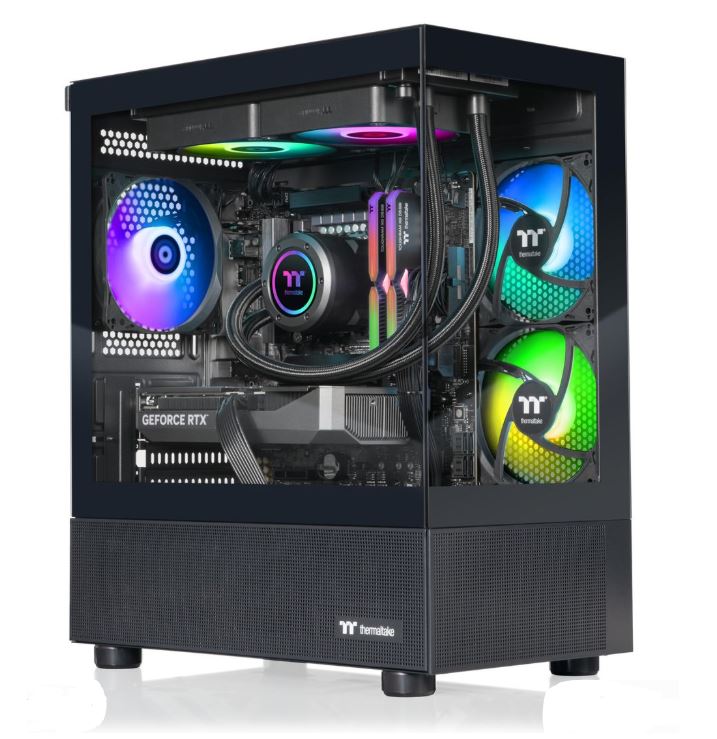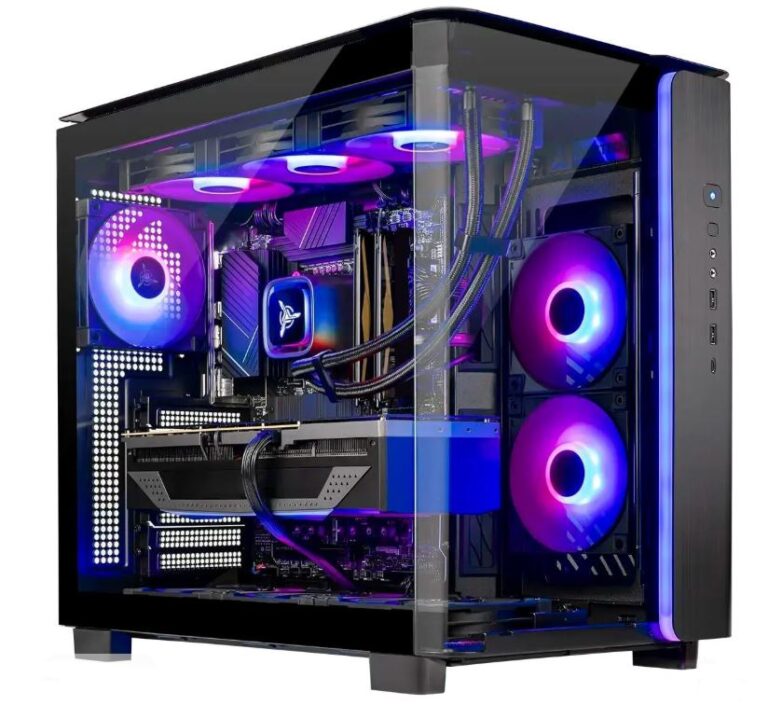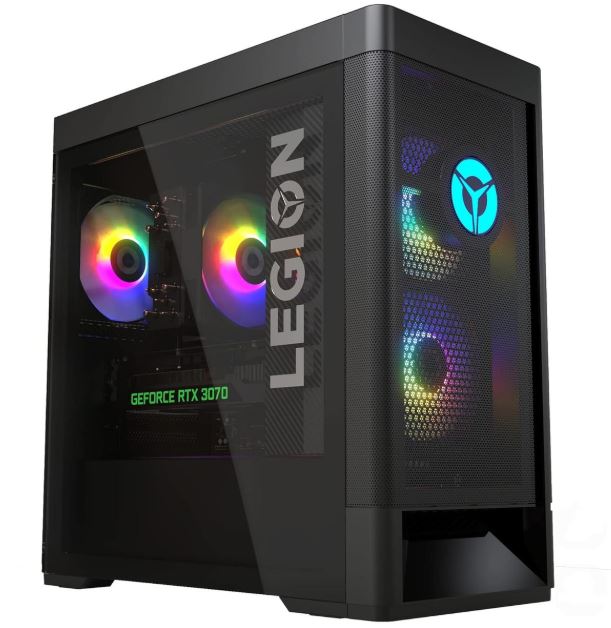

At $3000, you are no longer just a gamer or a PC user. You have officially entered the world of PC enthusiasts. This is the level of gaming hardware that millions of gamers dream about owning, and if you’ve managed to save enough for a build like this, you should be proud of yourself. I’m proud of you too.
At this budget, gaming performance is no longer the main concern. Instead, the focus shifts toward maximizing performance, future-proofing your system and choosing premium components that will remain relevant for years to come. A properly balanced $3000 gaming PC can handle everything from competitive esports gaming to demanding AAA titles at 4K resolution without breaking a sweat.
You probably already have a decent understanding of PC building if you’re considering a budget this high. However, choosing the right components can still be difficult because there are so many options available. Some parts offer excellent value while others simply cost more without providing meaningful performance gains.
That’s where this guide comes in. In this article, I’ll help you choose the best gaming hardware for a $3000 gaming PC build while focusing on performance, reliability, airflow and long-term value.
Affiliate Disclosure
Some of the links in this article are affiliate links, which means I may earn a small commission if you purchase a product through one of these links, at no additional cost to you. This helps support me and allows me to continue creating gaming guides and hardware recommendations.
What To Expect From A $3000 Gaming PC
At this budget, you should expect nothing less than exceptional performance. A $3000 gaming PC is designed to handle modern AAA games at 4K resolution with high to ultra settings while maintaining excellent frame rates. This is the level where gaming performance stops being a concern and your focus shifts toward getting the best possible experience.
Because the hardware is so powerful, you will also want quality peripherals to match it. A high refresh rate gaming monitor, responsive mouse and mechanical keyboard help you take full advantage of the performance this system can deliver.
If you’re into competitive games such as Apex Legends, The Finals, Counter-Strike 2, Valorant and Rainbow Six Siege, this build is capable of delivering extremely high frame rates. With the right monitor, reaching 400+ FPS in many esports titles is very achievable, resulting in smoother gameplay and lower input latency.
For NVIDIA enthusiasts, this build gives you access to technologies such as Ray Tracing and DLSS. DLSS uses AI-powered upscaling to increase FPS while maintaining excellent image quality, allowing you to enjoy demanding games with both high visuals and high performance.
AMD users benefit from FSR (FidelityFX Super Resolution), AMD’s upscaling technology that can significantly improve frame rates in supported games. AMD GPUs also continue to offer excellent rasterization performance and strong value for money, although NVIDIA generally maintains an advantage in ray tracing workloads.
Gaming is only part of what this system can do. If you stream, edit videos, create content or multitask heavily, this build has more than enough power to handle demanding workloads with ease. It is also well suited for more intensive tasks such as 3D rendering, software development, AI workloads and professional creative applications.
Simply put, a $3000 gaming PC delivers the kind of performance where your hardware is rarely the limitation.
AMD CPU Build (Best for Pure Gaming)
AMD’s Ryzen 9000 X3D processors currently dominate gaming benchmarks thanks to their massive 3D V-Cache technology. For most gamers, the Ryzen 7 9800X3D is the sweet spot, offering incredible gaming performance, excellent efficiency and a platform that should remain relevant for years to come.
CPU
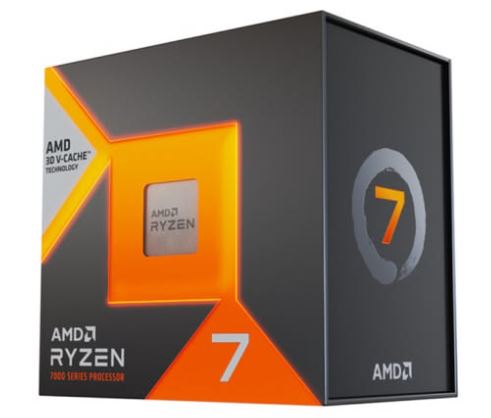
The AMD Ryzen 7 9800X3D is widely considered one of the best gaming processors available today. It excels in CPU-intensive games, competitive esports titles and high refresh rate gaming while maintaining excellent power efficiency.
Price: $440–$520
If you want to learn more about AMD processors, check out our Best AMD CPUs for FPS Gaming (2026 Guide).
Motherboard
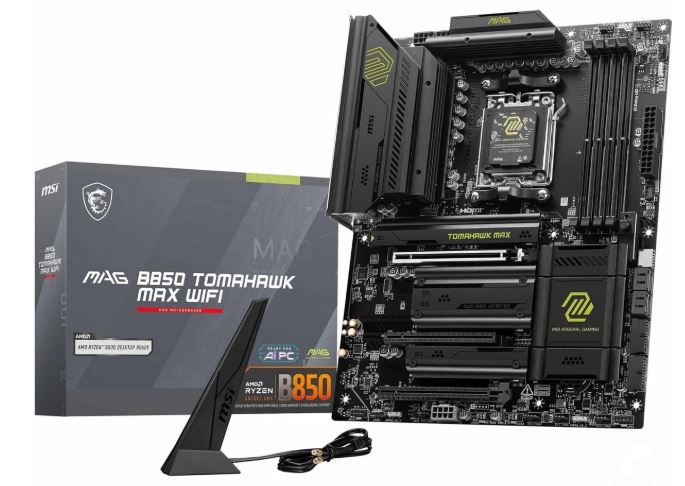
The MSI MAG B850 Tomahawk WiFi and Gigabyte B850 Aorus Elite AX are excellent motherboard choices for this build. Both offer strong VRMs, modern connectivity, WiFi support and a solid upgrade path for future AM5 processors.
Price: $180–$250
For more motherboard recommendations, check out our Best Motherboards for FPS Gaming (2026 Guide).
RAM
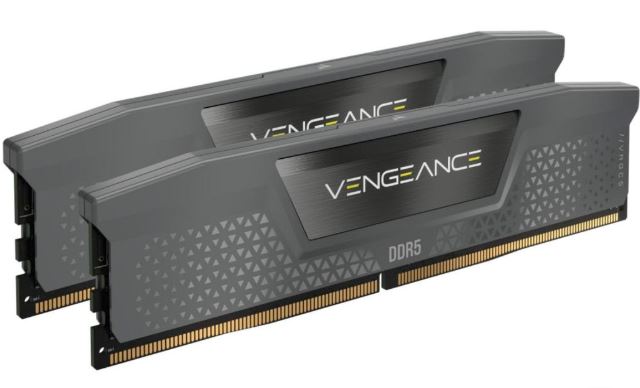
This build uses 32GB (2x16GB) DDR5-6000 CL30 memory, which remains the sweet spot for AM5 gaming systems. It delivers excellent gaming performance while providing enough capacity for streaming, multitasking and content creation.
For more memory recommendations, check out our Best Budget RAM for FPS Gaming (2026 Guide).
GPU
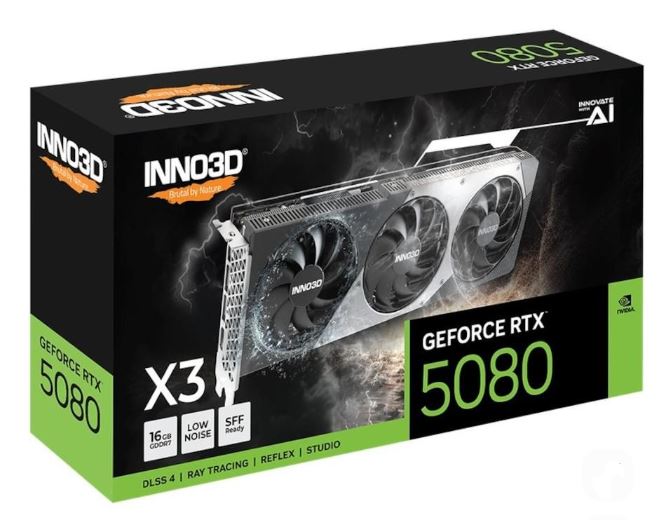
Your graphics card choice depends on whether you prioritize maximum gaming value or premium NVIDIA features.
The NVIDIA RTX 5080 is designed for gamers who want exceptional 4K performance, advanced ray tracing and access to technologies such as DLSS and Frame Generation.
Price: $1250–$1400
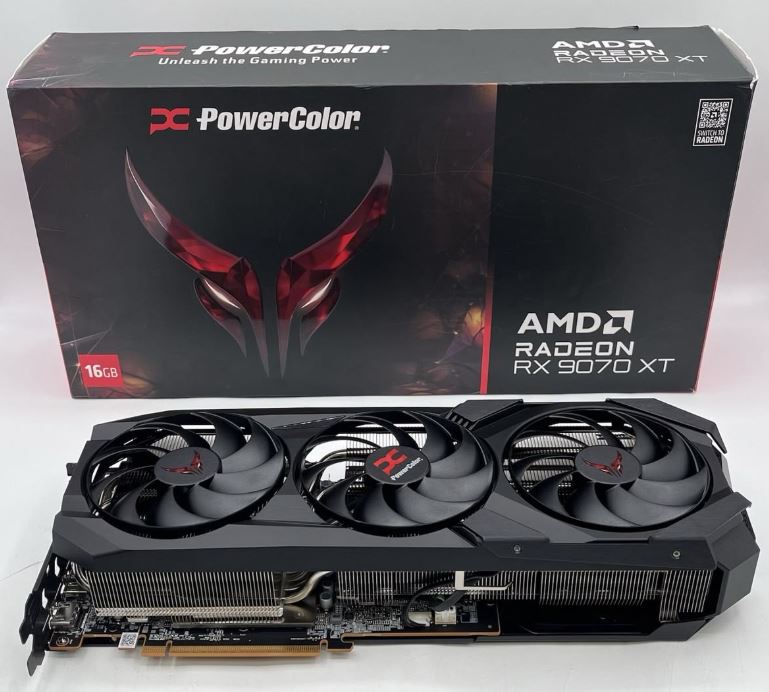
The AMD Radeon RX 9070 XT focuses on delivering excellent rasterization performance and strong value for money, making it an outstanding choice for gamers who primarily care about maximizing FPS.
Price: $550–$650
For a full comparison between both brands, check out our NVIDIA vs AMD GPUs for FPS Games (2026 Guide).
Storage
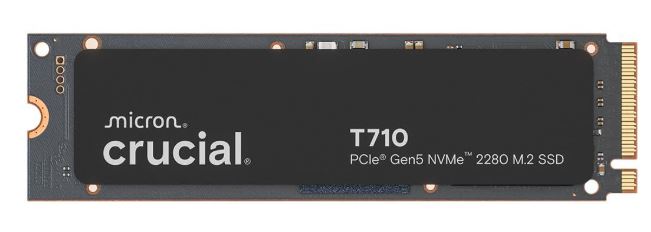
A 2TB PCIe Gen4 or Gen5 NVMe SSD such as the Samsung 990 Pro or WD Black SN850X provides lightning-fast boot times, quick game loading and enough space for a growing library of modern games.
Price: $130–$180
For more storage recommendations, check out our Best SSD for FPS Gaming (2026 Guide).
CPU Cooler
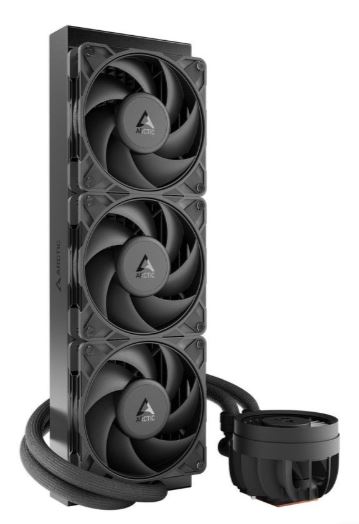
Although the Ryzen 7 9800X3D runs surprisingly cool for a high-end gaming processor, premium cooling still helps maintain lower temperatures and quieter operation.
A 360mm AIO such as the Arctic Liquid Freezer III provides excellent cooling performance, while premium air coolers from Noctua, Thermalright and DeepCool remain fantastic alternatives.
Price: $90–$150
For more cooling recommendations, check out our Best CPU Cooler for FPS Gaming (2026 Guide).
Case
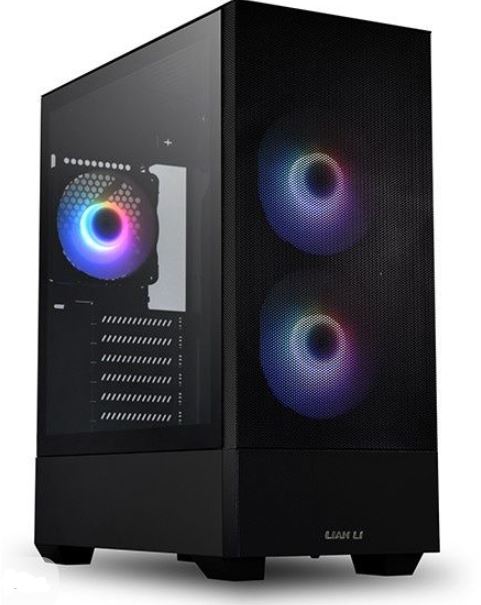
Cases such as the Lian Li Lancool 216, Fractal Meshify and Corsair 4000D Airflow provide excellent airflow, clean cable management and enough space for premium hardware.
Price: $80–$130
For more case recommendations, check out our Best PC Case for FPS Gaming (2026 Guide).
Power Supply
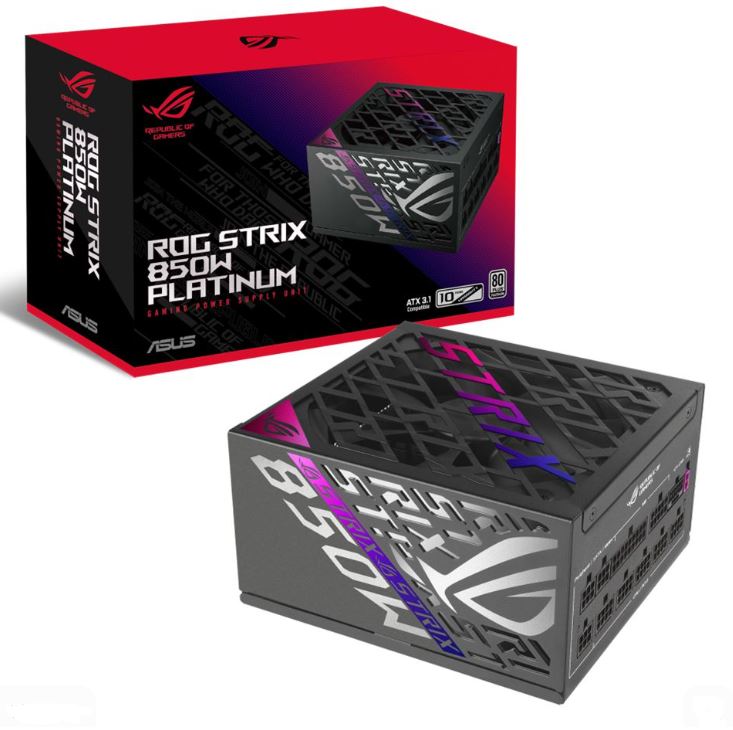
A high-end gaming PC deserves a high-quality power supply. A fully modular 850W–1000W 80 Plus Gold or Platinum PSU from Corsair, Seasonic or be quiet! provides stable power delivery, excellent efficiency and enough headroom for future upgrades.
Price: $110–$160
For more PSU recommendations, check out our Best Power Supply for FPS Gaming (2026 Guide).
Why This Build?
This build is designed for gamers who want the highest possible gaming performance without unnecessary compromises. The Ryzen 7 9800X3D, powerful GPU options and AM5 platform create a system that delivers exceptional FPS today while remaining upgradeable well into the future. With excellent efficiency, strong cooling and long platform support, this is one of the best pure gaming builds you can assemble under $3000.
Intel CPU Build (Strong All-Rounder)
While AMD currently dominates pure gaming performance with its X3D processors, Intel remains an excellent choice for users who want a balance between gaming, productivity and multitasking. The Intel Core Ultra 7 270K Plus delivers strong gaming performance while also excelling in workloads such as streaming, video editing and content creation.
CPU
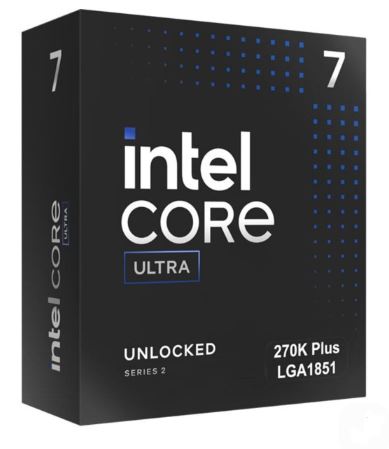
The Intel Core Ultra 7 270K Plus offers excellent value for a high-end gaming PC. It delivers strong gaming performance, improved efficiency over previous Intel generations and plenty of processing power for productivity workloads.
Price: $290–$330
If you want to learn more about Intel processors, check out our Best Intel CPUs for FPS Gaming (2026 Guide).
Motherboard
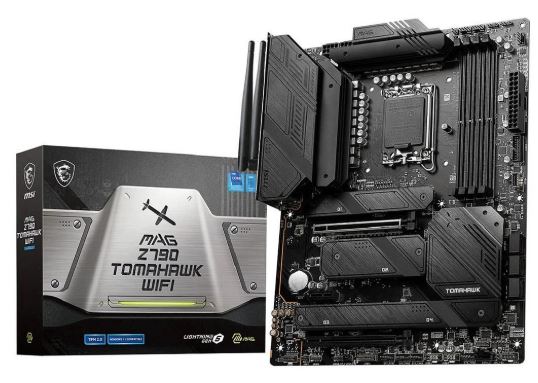
A quality Z890 or B860 motherboard such as the ASUS TUF Gaming series or MSI Tomahawk provides strong VRMs, DDR5 support, WiFi connectivity and excellent upgrade potential.
Price: $180–$280
RAM
Just like the AMD build, 32GB (2x16GB) DDR5-6000 memory remains the ideal choice. It provides excellent gaming performance while leaving plenty of headroom for streaming, multitasking and content creation.
Price: $110–$140
GPU
The graphics card options remain the same because both pair exceptionally well with Intel processors.
The NVIDIA RTX 5080 is ideal for gamers looking for top-tier 4K gaming performance, ray tracing and DLSS technology.
Price: $1250–$1400
The AMD Radeon RX 9070 XT continues to offer excellent rasterization performance and outstanding value for gamers who prioritize FPS over advanced ray tracing features.
Price: $550–$650
Storage
A 2TB NVMe SSD remains the recommended storage option for a build of this caliber. Fast drives such as the Samsung 990 Pro and WD Black SN850X provide quick boot times, fast game loading and plenty of room for modern game libraries.
Price: $130–$180
CPU Cooler
Although Intel’s newer processors are more efficient than previous generations, they still tend to run hotter under heavy workloads than AMD’s X3D chips. A quality 360mm AIO or a premium dual-tower air cooler is recommended to keep temperatures under control.
Price: $90–$150
Case
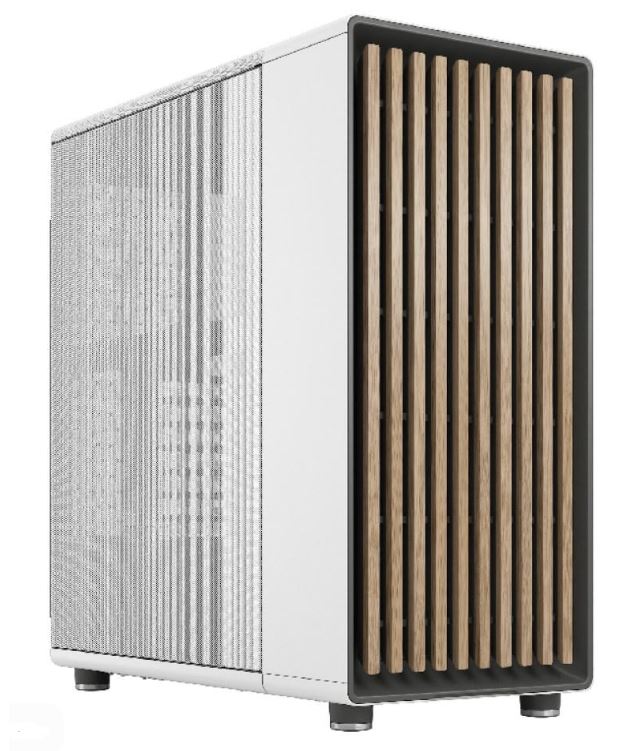
A high-airflow case remains essential for maintaining stable temperatures. Options such as the Lian Li Lancool 216, Fractal Meshify and Corsair 4000D Airflow provide excellent cooling performance and plenty of room for premium components.
Price: $80–$130
Power Supply
A fully modular 850W–1000W 80 Plus Gold or Platinum power supply provides stable power delivery, excellent efficiency and enough headroom for future upgrades.
Price: $110–$160
Why This Build?
This build is perfect for users who want a balance between gaming and productivity. While it may not match AMD’s X3D processors in every gaming benchmark, it makes up for it with excellent multitasking capabilities, strong content creation performance and outstanding overall versatility. If your PC is used for both work and gaming, this Intel build is one of the best all-rounders available under $3000.
Common Mistakes When Building a $3000 Gaming PC
Spending Too Much on RGB and Aesthetics
At this budget, it’s very easy to spend hundreds of dollars on RGB fans, LCD coolers, custom cables and premium accessories. While these additions can make a build look incredible, they do not improve gaming performance.
Always prioritize the GPU, CPU, cooling and monitor before spending extra money on aesthetics.
Pairing the PC With a Poor Monitor
A $3000 gaming PC can push extremely high frame rates and deliver excellent 4K gaming performance. Using a basic 1080p 60Hz monitor wastes much of the hardware’s potential.
If you’re investing this much into a gaming PC, make sure you pair it with a quality 1440p or 4K high refresh rate monitor.
Ignoring Airflow
Many gamers assume that expensive hardware automatically means low temperatures. In reality, poor airflow can still cause high temperatures, excessive fan noise and thermal throttling.
A quality airflow-focused case combined with proper fan placement helps maintain stable temperatures and allows your hardware to perform at its best.
Overspending on the CPU
One of the most common mistakes enthusiasts make is buying the most expensive processor available while neglecting the graphics card. In gaming, the GPU has the biggest impact on performance.
A balanced build with a powerful GPU and capable CPU will almost always outperform an unbalanced build with an overpowered processor and weaker graphics card.
Choosing a Cheap Power Supply
A $3000 gaming PC represents a major investment. Saving money on the power supply is one of the worst mistakes you can make.
A high-quality 80 Plus Gold or Platinum PSU provides stable power delivery, protects expensive hardware and offers better long-term reliability.
Conclusion
A $3000 gaming PC represents the enthusiast level of PC gaming. At this budget, you gain access to some of the fastest gaming hardware available, making it possible to enjoy 4K gaming, extremely high frame rates in competitive titles and outstanding performance in productivity workloads.
Whether you choose the AMD build for its class-leading gaming performance or the Intel build for its excellent balance of gaming and productivity, both systems deliver an exceptional experience that should remain relevant for many years.
The key is building a balanced system. A powerful GPU, a capable processor, fast DDR5 memory, proper cooling and reliable power delivery all work together to create a gaming PC that performs at the highest level.
For most gamers, a build in this category is the endgame. It offers enough performance, upgradeability and longevity that you can focus less on hardware upgrades and more on simply enjoying your games.