
The CPU cooler is one of the most important components responsible for:
heat dissipation inside a gaming PC.
A good CPU cooler helps reduce:
- CPU core temperatures,
- overheating,
- and thermal stress
during gaming and heavy workloads.
Modern CPUs can become extremely hot while:
- gaming,
- streaming,
- multitasking,
- or rendering.
That is why choosing an effective cooling system is extremely important for:
- stable gaming performance,
- lower temperatures,
- and smoother gameplay.
A good cooler works by:
- absorbing heat from the CPU,
- transferring the heat away,
- and exhausting the hot air out of the system.
If your CPU overheats because of:
- weak cooling,
- poor airflow,
- or improper installation,
your system may experience:
thermal throttling.
Thermal throttling is a built-in safety feature that automatically:
- lowers CPU clock speeds,
- reduces power consumption,
- and limits performance
when temperatures become dangerously high.
This can cause:
- FPS drops,
- unstable gameplay,
- stuttering,
- and reduced gaming responsiveness.
A good cooling system helps maintain:
stable boost clocks
better airflow
lower temperatures
and smoother gaming sessions.
It also improves:
- CPU lifespan,
- overclocking stability,
- and overall gaming reliability.
In this article, we will look at:
- the best budget CPU coolers,
- best mid-range coolers,
- and best high-end cooling solutions
for FPS gaming and modern gaming PCs.
Why CPU Coolers Matter for FPS Gaming
In FPS gaming:
stability is extremely important,
especially during:
- long gaming sessions,
- competitive matches,
- and heavy CPU workloads.
Modern CPUs can generate a lot of heat while gaming, particularly in:
- CPU-intensive games,
- streaming,
- multitasking,
- and overclocking.
That is why having a:
good cooling system
is extremely important for maintaining:
- lower temperatures,
- stable performance,
- and smoother gameplay.
Reduces CPU Temperatures
A quality CPU cooler helps:
- absorb heat from the processor,
- move the heat away efficiently,
- and exhaust the hot air from the system.
This helps the CPU maintain:
safer operating temperatures
even during:
- high FPS gaming,
- rendering,
- and demanding workloads.
Lower temperatures also improve:
- system reliability,
- component lifespan,
- and gaming stability.
Helps Prevent Thermal Throttling
When a CPU becomes too hot, it automatically activates:
thermal throttling.
This reduces:
- clock speeds,
- power consumption,
- and overall performance
to protect the CPU from damage.
Thermal throttling can cause:
- FPS drops,
- stuttering,
- unstable frametimes,
- and inconsistent gameplay.
A strong CPU cooler helps reduce thermal throttling by keeping:
CPU temperatures under control.
This allows the processor to maintain:
- stable boost clocks,
- smoother frametimes,
- and more consistent gaming performance.
Improves Overclocking Stability
CPU coolers also play a major role in:
overclocking.
Overclocking increases:
- CPU clock speed,
- performance,
- and power consumption.
This also creates:
more heat.
Without a strong cooling system, an overclocked CPU can quickly:
- overheat,
- throttle,
- or become unstable.
A high-quality CPU cooler helps maintain:
- lower temperatures,
- stable voltage behavior,
- and reliable overclocking performance.
If you want to understand CPU performance better, also check out:
Important Note
CPU coolers:
do NOT directly increase FPS.
However, a good cooler helps sustain:
higher clock speeds
stable performance
smoother gameplay
and consistent FPS
by preventing:
- overheating,
- thermal throttling,
- and unstable CPU behavior.
Air Cooler VS Liquid Cooler (AIO)
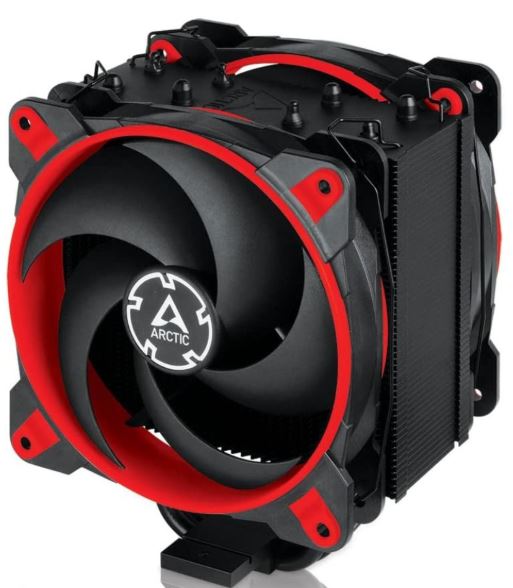
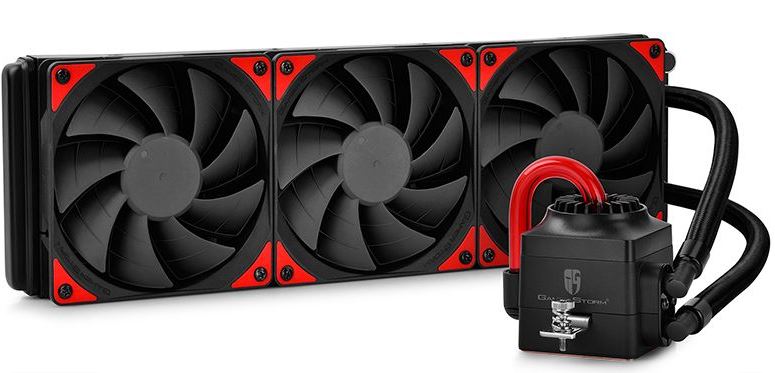
When building a gaming PC, one of the biggest cooling decisions is choosing between:
- an Air Cooler,
- or an AIO Liquid Cooler.
Both cooling systems are designed to:
reduce CPU temperatures
prevent thermal throttling
and maintain stable gaming performance.
However, they achieve cooling in different ways.
How They Work
Air Cooler
Air coolers use:
- a metal heatsink,
- heat pipes,
- and one or more cooling fans.
The process works like this:
Heat from the CPU transfers into the heatsink through heat pipes, then the attached fan pushes air through the heatsink to dissipate the heat into the PC case airflow.
Air coolers are:
- simple,
- reliable,
- and easy to maintain.
AIO Liquid Cooler
AIO stands for:
All-In-One Liquid Cooler.
An AIO uses:
- liquid coolant,
- tubing,
- a pump,
- radiator,
- and cooling fans.
The process works like this:
Heat moves from the CPU into the liquid coolant, then travels through tubes into a radiator where fans cool the liquid before cycling it back.
AIO coolers are generally:
- more advanced,
- visually cleaner,
- and better at moving heat away quickly.
Winner:
AIO coolers usually transfer heat faster than air coolers.
Cooling Performance
Air Cooler Performance
Modern high-end air coolers are extremely powerful.
Coolers like:
- Noctua NH-D15,
- Thermalright Peerless Assassin,
- and DeepCool AK620
can easily handle:
- Ryzen 9 processors,
- Intel Core i9 CPUs,
- and high-end gaming systems.
Air coolers are excellent for:
- gaming,
- esports setups,
- moderate overclocking,
- and long-term reliability.
They are also:
quieter than many cheap AIOs.
AIO Liquid Cooler Performance
AIO liquid coolers are generally stronger for:
- extreme workloads,
- heavy overclocking,
- and sustained high CPU temperatures.
Large:
- 240mm,
- 360mm,
- and 420mm radiators
usually outperform most air coolers during:
- stress testing,
- rendering,
- and extreme gaming workloads.
AIOs are especially useful for:
- Intel i9 processors,
- Ryzen 9 CPUs,
- and overclocked gaming systems.
Winner:
High-end 360mm AIOs generally provide the best cooling performance overall.
Noise Levels
Air coolers are often:
- quieter under normal gaming loads,
- and produce smoother fan noise.
AIO coolers can sometimes generate:
- pump noise,
- radiator fan noise,
- and higher fan RPMs under heavy load.
However, premium AIOs can still remain:
extremely quiet.
Reliability and Maintenance
Air coolers are:
simpler and more reliable.
They have:
- fewer moving parts,
- no liquid,
- and almost zero maintenance requirements.
AIOs contain:
- pumps,
- coolant,
- and tubing,
which means:
- pump failure,
- or liquid evaporation
can eventually happen after years of use.
Winner:
Air coolers are generally more reliable long-term.
Which Cooler Is Better for FPS Gaming?
For most FPS gamers:
high-end air coolers
already provide:
- excellent temperatures,
- quieter operation,
- and great gaming performance.
However:
AIO liquid coolers
are better for:
- overclocking,
- showcase builds,
- extreme CPUs,
- and maximum thermal performance.
If you also want to improve airflow and cooling efficiency, check out:
Best Budget CPU Coolers for FPS Gaming
A good budget CPU cooler should provide:
- low temperatures,
- stable gaming performance,
- quieter operation,
- and proper thermal control
without costing too much money.
These coolers are excellent for:
- competitive gaming,
- budget gaming PCs,
- and modern FPS gaming builds.
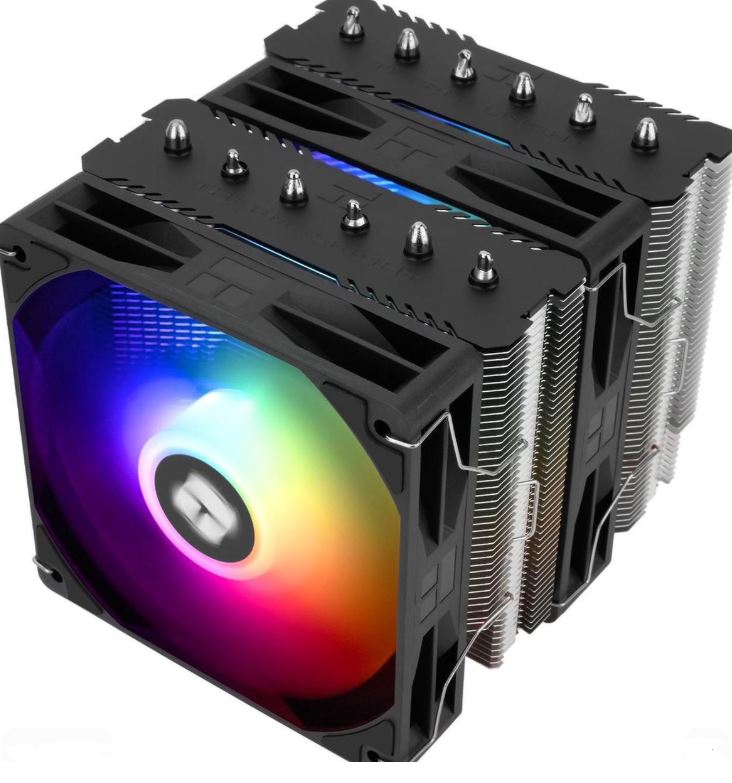
Thermalright Peerless Assassin 120 SE — Best Budget CPU Cooler Overall
Price
Around $32–$38
Why It Wins
The Thermalright Peerless Assassin 120 SE is currently considered one of the best budget air coolers because its cooling performance competes with coolers that cost:
over $80.
It uses:
dual tower heatsink design
6 heatpipes
dual 120mm fans
which allows it to handle:
- high-end gaming CPUs,
- heavy workloads,
- and overclocking surprisingly well.
Thermal performance is often within:
3–5°C
of premium coolers like the:
- Noctua NH-D15.
This makes it excellent for:
- Ryzen 7 and Ryzen 9 CPUs,
- Intel i7 processors,
- and high FPS gaming systems.
Cooling Performance
The cooler can comfortably handle:
220W+ CPU loads
making it one of the strongest budget coolers currently available.
The fan noise becomes more noticeable above:
1300 RPM,
but most gaming systems rarely need maximum fan speed during normal gameplay.
Downside
The cooler is:
157mm tall
so you must check:
- PC case clearance,
- and RAM compatibility
before buying.
Tall RGB RAM kits may interfere with fan placement.
Verdict
Best overall budget CPU cooler for gaming performance, airflow, and value.
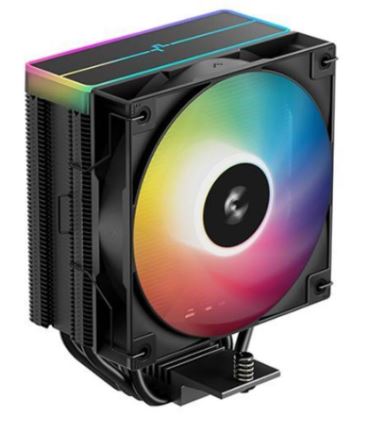
DeepCool AG400 — Best Single Tower Budget Cooler
Price
Around $22–$28
Why It’s Good
The DeepCool AG400 is one of the best budget:
single tower air coolers.
It provides:
- strong cooling performance,
- quieter operation,
- and easy installation
for mid-range gaming systems.
The cooler uses:
4 heatpipes
single tower heatsink
120mm cooling fan
which makes it excellent for:
- Ryzen 5 CPUs,
- Intel i5 processors,
- and esports gaming PCs.
Cooling Performance
The AG400 handles around:
180W thermal loads
comfortably.
It performs extremely well with CPUs like:
- Ryzen 5 7600,
- Ryzen 7 7700,
- Intel Core i5-12600K,
- and similar gaming processors.
Noise levels remain:
relatively quiet
until fan speeds rise above:
1200 RPM.
Downside
The cooler struggles with:
- heavily overclocked CPUs,
- and high-end Intel processors like:
- i7-13700K,
- or i7-14700K.
Thermal throttling may occur under:
- extreme workloads,
- or heavy rendering.
Verdict
Best budget single tower cooler for mid-range gaming builds.
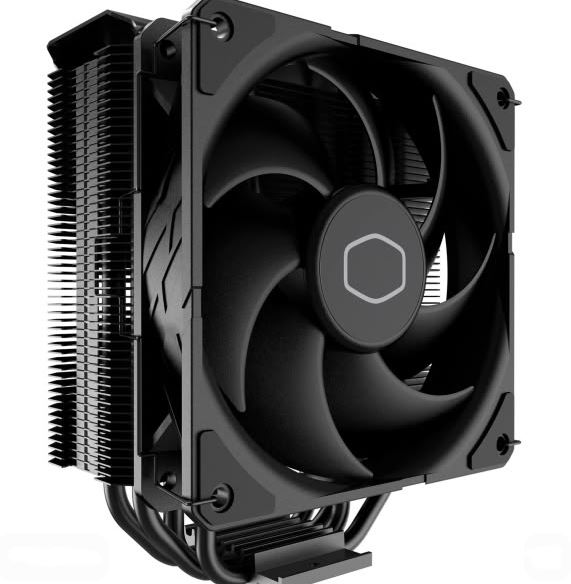
Cooler Master Hyper 212 — Classic Legacy Cooler
Price
Around $25–$35
Why It’s Known
The Cooler Master Hyper 212 became extremely popular because it was one of the most recommended gaming coolers for many years.
It still provides:
- decent cooling,
- simple installation,
- and wide compatibility.
However, the design has become:
outdated
compared to newer coolers.
Cooling Performance
The Hyper 212 can handle around:
150W thermal loads
but modern budget coolers now outperform it by:
- large temperature margins,
- lower noise levels,
- and better airflow efficiency.
Compared to the:
- Thermalright Peerless Assassin,
- and DeepCool AG400,
the Hyper 212 usually runs:
hotter and louder.
Downsides
The cooler is often:
- overpriced for its performance,
- and newer budget coolers now offer:
- better value,
- stronger cooling,
- and quieter fans.
Verdict
Only worth buying if:
- heavily discounted,
- bundled with hardware,
- or found at a very low price.
Otherwise, newer budget coolers provide:
much better value for FPS gaming builds.
Best Mid-Range CPU Coolers for FPS Gaming.
Mid-range CPU coolers are perfect for:
- high refresh rate gaming,
- streaming,
- overclocking,
- and modern gaming CPUs.
These coolers provide:
lower temperatures
quieter operation
stronger thermal performance
and better gaming stability
than most budget coolers.
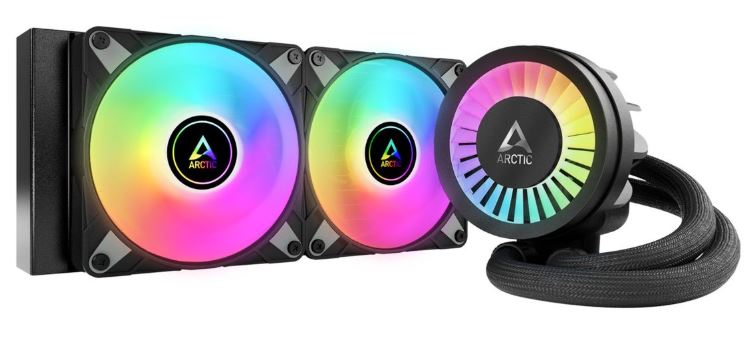
Arctic Liquid Freezer III 240 — Best Mid-Range CPU Cooler Overall
Price
Around $75–$85
Why It Wins
The Arctic Liquid Freezer III 240 is currently one of the best performing CPU coolers under:
$100.
It delivers cooling performance that rivals many expensive:
- 360mm AIO coolers,
- and premium air coolers.
The cooler uses:
advanced pump design
efficient cold plate
thick radiator
and high-quality P12 fans
which gives it exceptional thermal performance.
Cooling Performance
The Arctic LF III 240 can comfortably handle:
250W–280W CPU loads
while maintaining:
- lower temperatures,
- quieter acoustics,
- and stable CPU boost clocks.
Compared to high-end air coolers:
it usually performs 8–12°C cooler
during:
- heavy gaming,
- rendering,
- and sustained workloads.
This makes it excellent for:
- Intel Core i7/i9 CPUs,
- Ryzen 9 processors,
- and overclocked gaming builds.
Noise Levels
The:
pump is nearly silent,
while the included:
- Arctic P12 fans
remain quiet even during:
- long gaming sessions,
- and heavy CPU workloads.
Overall noise performance is often:
quieter than many premium air coolers under full load.
Downside
The main issue is:
radiator clearance.
The:
- 38mm thick radiator,
- plus fans
can become difficult to fit inside:
- smaller gaming cases,
- or compact builds.
Always check:
- case compatibility,
- and radiator support
before buying.
Verdict
Best mid-range CPU cooler overall for gaming thermals, overclocking, and sustained performance.
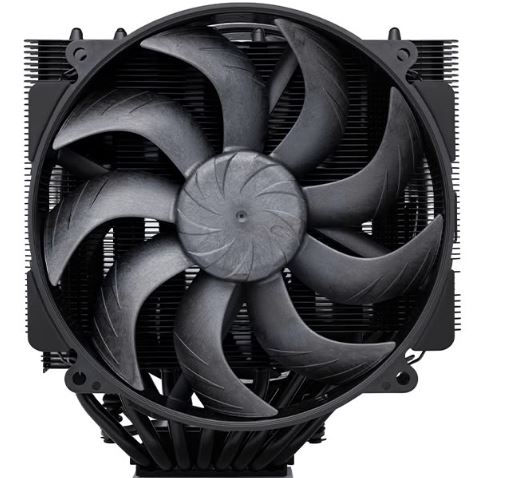
Noctua NH-D15 — Best Air Cooler and Reliability
Price
Around $110–$120
Why It’s Good
The Noctua NH-D15 is widely considered:
one of the best air coolers ever made.
It focuses on:
- reliability,
- low noise,
- and long-term cooling performance.
The cooler uses:
dual tower heatsink design
premium NF-A15 fans
and high-end heatpipe cooling
which allows it to cool:
- high-end CPUs,
- gaming systems,
- and workstation builds
extremely well.
Cooling Performance
The NH-D15 performs within:
3–5°C
of the Arctic Liquid Freezer III 240 under:
- moderate to heavy gaming loads.
However, under:
- extreme 250W+ workloads,
the AIO cooler begins pulling ahead because liquid cooling moves heat faster.
Still, the NH-D15 remains:
exceptional for gaming performance.
Noise and Reliability
Noctua fans are known for:
some of the best acoustics in the industry.
The cooler remains:
- extremely quiet,
- smooth sounding,
- and free from pump noise.
Unlike AIO coolers:
there is no liquid pump that can fail.
This makes the NH-D15 perfect for:
- long-term gaming systems,
- and “install once and forget” builds.
Downside
The cooler is:
extremely large.
It may:
- block tall RAM kits,
- interfere with smaller cases,
- and place heavy weight on the motherboard.
Verdict
Best air cooler for gamers who want:
- maximum reliability,
- low noise,
- and zero maintenance.
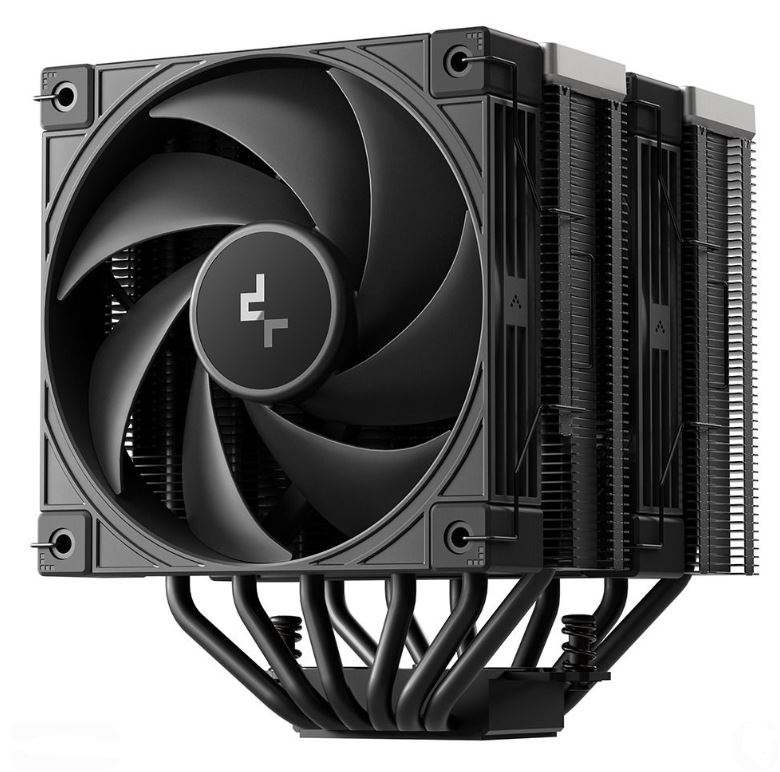
DeepCool AK620 — Best Value Mid-Range Air Cooler
Price
Around $60–$70
Why It’s Good
The DeepCool AK620 is one of the best value air coolers currently available.
It delivers:
performance close to the NH-D15
while costing significantly less.
The cooler uses:
- dual tower heatsinks,
- dual fans,
- and strong airflow design
making it excellent for:
- gaming,
- streaming,
- and modern gaming CPUs.
Cooling Performance
The AK620 performs only:
2–4°C behind the NH-D15
during most gaming workloads.
It can comfortably handle:
220W CPUs
without major thermal issues.
This makes it excellent for:
- Ryzen 7 processors,
- Intel i7 CPUs,
- and high FPS gaming systems.
Noise and Build Quality
The fans remain:
relatively quiet
up to around:
1200 RPM.
Above that, fan noise becomes more noticeable compared to Noctua fans.
The mounting system and overall build quality remain:
- very solid,
- beginner friendly,
- and reliable.
Downside
The cooler is still:
physically large
and may create:
- RAM clearance issues,
- and case compatibility limitations.
Verdict
Best value mid-range air cooler for gamers who want:
- near Noctua performance,
- lower temperatures,
- and excellent price-to-performance.
Best High-End CPU Coolers for FPS Gaming.
High-end CPU coolers are designed for:
- flagship gaming CPUs,
- heavy overclocking,
- streaming,
- rendering,
- and extreme gaming workloads.
These coolers provide:
lower temperatures
quieter operation
stronger sustained boost clocks
and maximum thermal performance.
For high-end gaming PCs, strong cooling becomes extremely important because modern CPUs can consume:
- massive power,
- generate intense heat,
- and throttle quickly under heavy workloads.
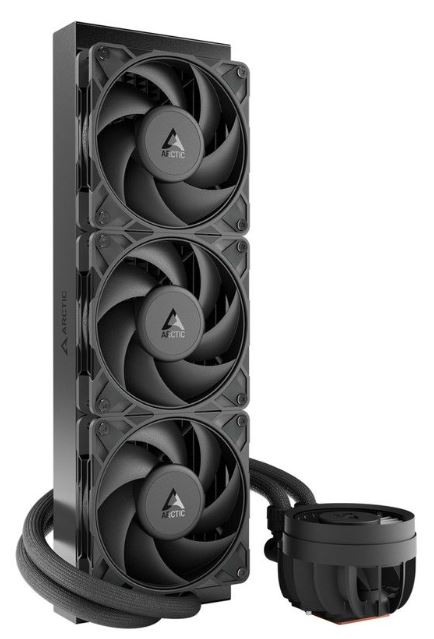
Arctic Liquid Freezer III 360 — Best High-End CPU Cooler Overall
Price
Around $95–$110
Why It Wins
The Arctic Liquid Freezer III 360 is currently one of the best performing:
360mm AIO coolers
for gaming and heavy workloads.
It focuses entirely on:
- cooling performance,
- thermal efficiency,
- and value
without increasing the price with unnecessary RGB features.
The cooler uses:
advanced pump design
thick 38mm radiator
high-quality P12 fans
and strong cold plate performance
which gives it exceptional cooling capability.
Cooling Performance
The Arctic LF III 360 can handle:
350W+ CPU loads
without major thermal issues.
This allows it to cool:
- Intel Core i9 processors,
- Ryzen 9 CPUs,
- and heavily overclocked gaming systems
extremely well.
Compared to many premium AIOs, it usually performs:
5–10°C cooler
during:
- heavy rendering,
- stress testing,
- and sustained gaming loads.
This makes it almost impossible for CPUs like:
- Intel i9-14900K,
- or Ryzen 9 9950X
to thermal throttle under normal conditions.
Noise Levels
The included:
Arctic P12 fans
remain:
- quiet,
- smooth,
- and efficient
up to around:
1400 RPM.
The pump itself is also:
nearly silent.
Downside
The main downside is:
aesthetics.
The cooler has:
- no LCD screen,
- no flashy RGB,
- and a simple appearance.
The:
thick radiator design
can also create fitment issues in:
- compact gaming cases,
- or smaller PC builds.
Verdict
Best high-end CPU cooler overall if you care mainly about:
- temperatures,
- gaming stability,
- and raw cooling performance.
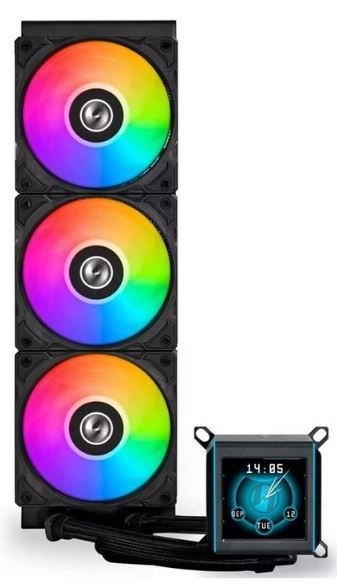
Lian Li Galahad II LCD — Best Looking High-End Cooler
Price
Around $160–$180
Why It’s Good
The Lian Li Galahad II LCD combines:
strong cooling performance
premium aesthetics
and LCD customization.
Lian Li improved the newer Galahad platform significantly by:
- improving pump reliability,
- lowering pump noise,
- and refining cooling performance.
The cooler includes:
a 2.88-inch LCD screen
which can display:
- CPU temperatures,
- GIFs,
- system statistics,
- and custom animations.
Cooling Performance
The Galahad II LCD performs extremely well and remains within:
3–5°C
of the Arctic LF III 360 during:
- gaming,
- rendering,
- and heavy CPU workloads.
It can comfortably cool:
280W–320W CPUs
without major thermal problems.
Noise and Build Quality
The:
- fans remain relatively quiet,
- and pump noise is greatly improved compared to older Galahad coolers.
The overall build quality is:
excellent,
especially for:
- RGB gaming builds,
- showcase PCs,
- and Lian Li themed setups.
Downside
The biggest downside is:
price.
You pay significantly more mainly for:
- aesthetics,
- LCD customization,
- and RGB design
rather than major cooling improvements.
Verdict
Best high-end cooler for:
- showcase gaming builds,
- RGB setups,
- and premium aesthetics.
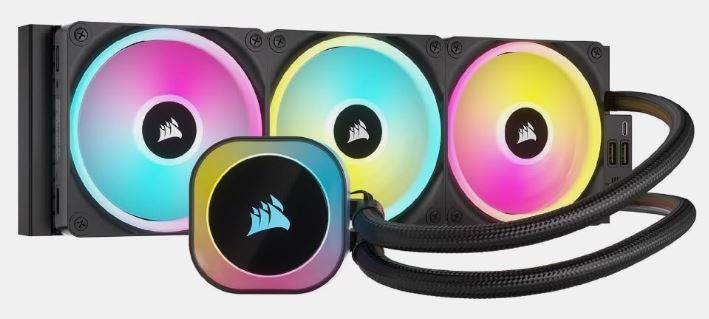
Corsair iCUE Link H150i — Best RGB and Ecosystem Cooler
Price
Around $180–$210
Why It’s Good
The Corsair iCUE Link H150i focuses heavily on:
cable management
RGB ecosystem integration
and software control.
Its:
iCUE Link system
allows:
- fans,
- RGB,
- and cooling hardware
to connect through:
a simplified daisy-chain cable system.
This creates:
- cleaner builds,
- easier installation,
- and better cable management.
Cooling Performance
Cooling performance is:
strong,
though still behind the Arctic LF III 360 by roughly:
5–8°C
under heavy loads.
The cooler is still excellent for:
- gaming,
- streaming,
- and high-end CPUs.
Noise and Features
The pump remains:
quiet,
while the:
- AF120 RGB fans
provide:
- strong airflow,
- though they become louder than Arctic fans at similar fan speeds.
Corsair’s:
iCUE software
is one of the strongest RGB ecosystems currently available and allows:
- fan control,
- lighting synchronization,
- and hardware monitoring.
Downside
The cooler is:
expensive.
A large portion of the price goes toward:
- RGB,
- software ecosystem,
- and aesthetics
rather than pure cooling performance.
The iCUE Link system also encourages users to remain inside:
Corsair’s ecosystem.
Verdict
Best high-end cooler for gamers already using:
- Corsair RGB products,
- iCUE ecosystem hardware,
- and showcase gaming setups.
Common CPU Cooler Mistakes for FPS Gaming.
A good CPU cooler is extremely important for:
- gaming stability,
- lower temperatures,
- and preventing thermal throttling.
However, many gamers make cooling mistakes that lead to:
- overheating,
- unstable FPS,
- loud systems,
- and poor airflow.
Here are some common CPU cooler mistakes gamers should avoid.
Buying a Weak Cooler for a High-End CPU
One of the most common mistakes is pairing:
- powerful CPUs
with:
weak budget coolers.
High-end CPUs like:
- Ryzen 9 processors,
- Intel Core i9 chips,
- and overclocked CPUs
generate a massive amount of heat.
Using a weak cooler can quickly lead to:
- thermal throttling,
- unstable boost clocks,
- and high temperatures during gaming.
Always match your cooler to:
- your CPU power usage,
- gaming workload,
- and future upgrade plans.
Ignoring Case and RAM Clearance
Many large air coolers and AIO radiators require:
- proper case clearance,
- motherboard compatibility,
- and RAM spacing.
Some gamers accidentally buy:
- oversized coolers,
- or large radiators
that do not properly fit inside their PC case.
Large dual-tower air coolers may:
- block RAM slots,
- interfere with RGB memory,
- or create installation problems.
Always check:
- CPU cooler height,
- radiator support,
- and RAM clearance
before buying.
Poor Thermal Paste Application
Thermal paste is responsible for:
transferring heat
between:
- the CPU,
- and the cooler cold plate.
Applying:
- too much,
- too little,
- or uneven thermal paste
can reduce cooling performance significantly.
Poor thermal paste application can lead to:
- hotter CPU temperatures,
- unstable performance,
- and reduced cooling efficiency.
Always apply thermal paste properly before mounting the cooler.
Conclusion
A quality CPU cooler is extremely important for maintaining:
- stable gaming performance,
- lower temperatures,
- and smoother gameplay.
Even though CPU coolers do not directly increase FPS, they help sustain:
higher boost clocks
stable performance
reduced thermal throttling
and better long gaming sessions.
Modern gaming CPUs can generate significant heat during:
- competitive gaming,
- streaming,
- multitasking,
- and overclocking.
That is why choosing the right cooling solution is very important for:
- gaming stability,
- airflow,
- and long-term hardware reliability.
For most gamers:
high-end air coolers
already provide:
- excellent cooling,
- low noise,
- and great reliability.
Meanwhile:
AIO liquid coolers
are better for:
- extreme CPUs,
- showcase builds,
- and heavy overclocking.
The most important thing is choosing a cooler that properly supports:
- your CPU,
- motherboard,
- PC case,
- and gaming workload.
If you want to further improve your gaming setup, also check out:
for a more balanced and optimized gaming PC build.